How to Prepare for an Author Interview: Research, Questions and Etiquette
A practical guide to preparing for an author interview: reading the backlist, writing open questions,...

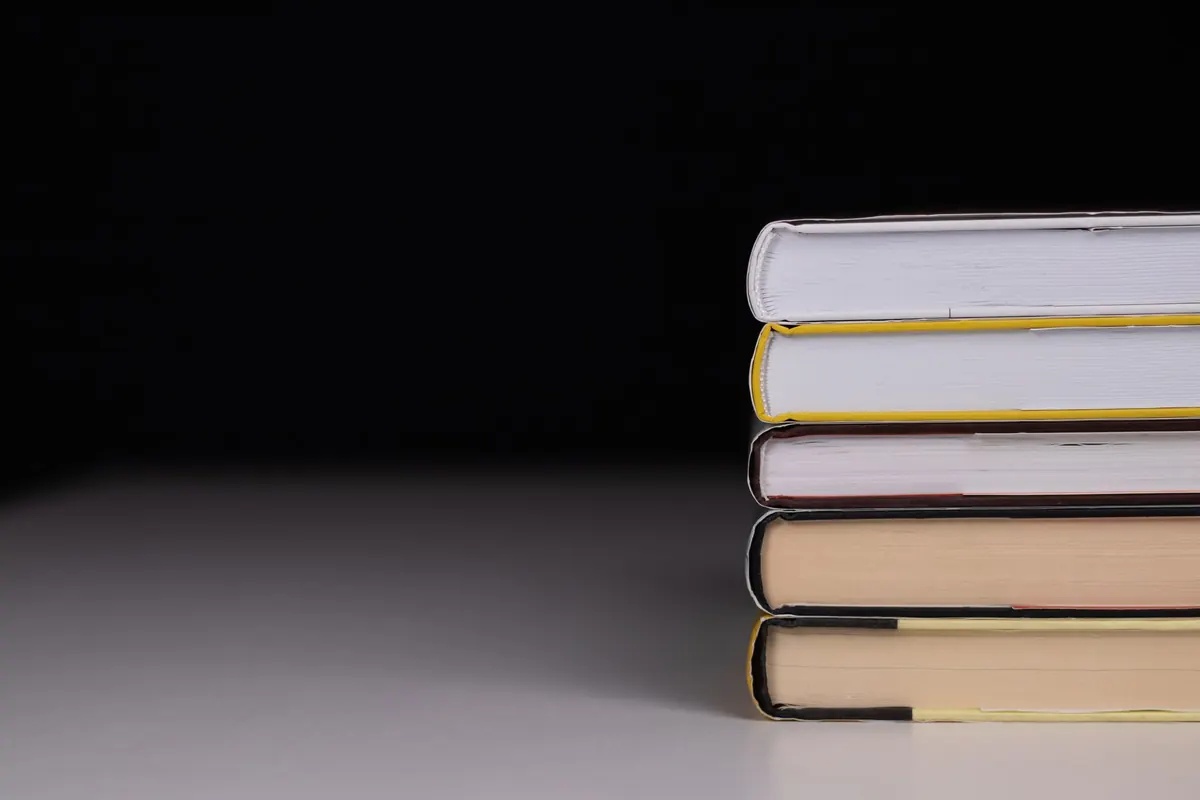
Two copies of the same novel, side by side. One is a hardback, solid in the hand, with a dust jacket that already shows a thumbprint. The other exists only as a file, sitting behind a lock screen that also holds your email, your bank app and the game you play when you cannot sleep. The words are identical. The experience is not, and neither is the bill.
Format matters more than most readers admit. It shapes how much you spend, how much you carry, how much shelf space you surrender, and whether you finish the book at all. What follows is a fair comparison of the three main options, and a way to choose per book rather than pledging loyalty to one.
Hardbacks are the premium option, and they are priced that way. They exist because publishers need a first edition to sell to libraries, gift buyers and readers who want the book the week it comes out. You are paying for the binding, the production run and the timing, not better words.
Paperbacks are the workhorse. Cheaper, lighter, and usually available a few months after the hardback. If you are happy to wait, you almost always save money, and you lose nothing except the pleasure of having it first.
Ebooks look like the cheapest route, but the comparison is messier than it appears. Prices swing widely: a new traditionally published ebook can cost nearly as much as a discounted paperback, while older titles, classics and independently published books can cost very little, and some are free. The sting is that an ebook has no second-hand value. You cannot sell it, donate it to a charity shop or hand it to a friend when you are done.
The cheapest format is often the one you already have access to. A library card costs nothing to use and covers far more than people assume, including ebooks and audiobooks through apps your library subscribes to. Charity shops and second-hand sellers are excellent for anything published more than a year ago.
A useful test is cost per read. A hardback read twice and lent to two people is better value than a cheap ebook abandoned at page forty.
Hardbacks are lovely at a desk and awkward everywhere else. They are heavy in a bag, hard to hold one-handed on a crowded train, and a genuine nuisance when you are lying in bed trying to keep the pages open without cracking the spine.
Paperbacks win on portability. They fit a coat pocket, survive being stuffed in a rucksack, and can be read in the bath with only mild risk. They also take notes well, if you are the sort of reader who writes in the margins.
An e-reader is the best travelling companion: hundreds of books, adjustable type size, a built-in light that lets you read beside a sleeping partner, plus search and a dictionary. The trade-offs are real. Batteries run down, screens crack, and the device needs charging before a long journey. Reading on a phone works perfectly well, but the notifications are always one swipe away.
Comfort is personal, so test it. Most ebook shops let you download a free sample of a chapter or two, which is enough to tell whether the type and the screen suit your eyes.
If reading regularly leaves you squinting, headachy or tired, the format is rarely the culprit. An eye test is worth booking before you spend money on a bigger device.
Physical books take up room, and room costs money. A single metre of shelving holds roughly three dozen paperbacks, fewer if they are hardbacks, and considerably fewer if you own a lot of fat histories. In a small flat, that adds up quickly.
Keep what you keep with some care: spines out where you can see them, away from damp walls and direct sunlight, and out of loft or garage spaces that swing between wet and freezing. Books that get musty rarely recover.
Digital libraries have the opposite problem. They take no space at all, which makes it easy to buy, forget and buy again. Set up a simple system inside your reading app: one shelf for what is next, one for samples, and a wishlist for everything else. Delete the samples you have decided against.
Neither format is innocent. Print uses pulp, ink and energy, and books are shipped and stored before they reach you. On the other hand, paper is recyclable, books last decades, and second-hand copies circulate for years without any new paper being made.
An e-reader carries its environmental cost up front, in the mining and manufacturing of the device, long before you download anything. That cost is only spread thin if you keep the device for years and read a great deal on it. Buying a new e-reader every couple of years is the worst of both worlds.
In practice, three habits beat any format argument: use the library, buy second-hand where you can, and read the books you already own before ordering more. That is also the cheapest approach, which is convenient.
Most readers end up with a mix, and that is the sensible outcome. A reliable default: fiction you are trying out comes from the library or a charity shop, long series and travel reading go on the e-reader, and the hardbacks are reserved for books you already know you love, or for presents. Buy the hardback as a reward for finishing something, not as a promise to start it.
Two practical habits keep this tidy. Keep a single wishlist so you stop buying duplicates across formats, and keep a short pile of books you are genuinely about to read rather than an unread shelf that guilts you every time you walk past it. If a book has sat untouched for a year, pass it on. Someone else will read it this week, and you will have room for the next one.
Photo: dlxmedia.hu / Pexels
A practical guide to preparing for an author interview: reading the backlist, writing open questions,...
Ten autumn reads sorted by mood, length and comfort factor, from gentle short novels to long gothic...
Blurbs, prize stickers and glowing reviews all promise more than they deliver. Seven practical questions...